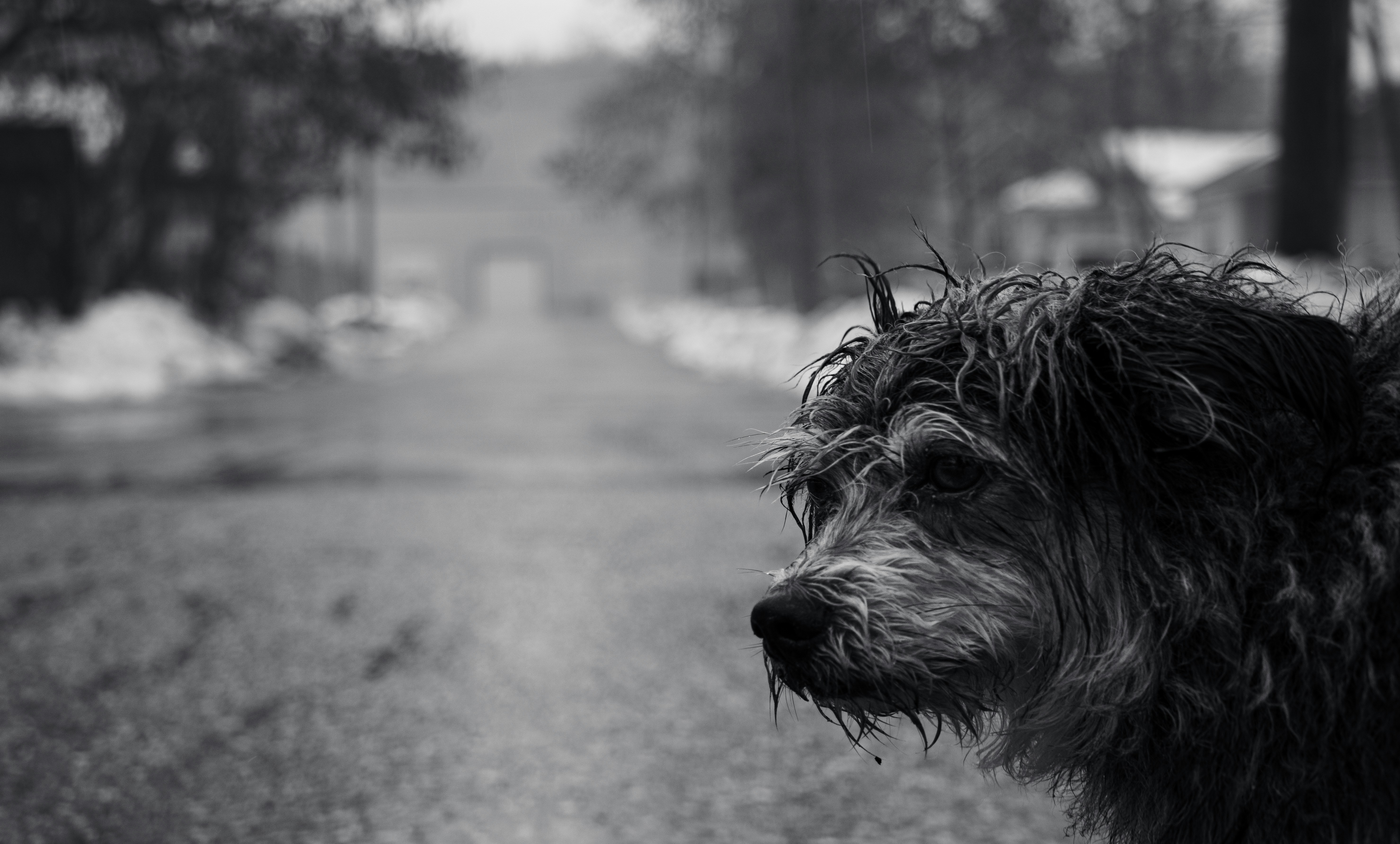
There is a moment, sometimes months after a loss, where families decide they're ready to scatter their pet's ashes. For many New Zealanders that means the sea — a particular bay, a coastline they walked together, the place the dog used to charge into the surf with the same exuberance every time.
It is a small, profound ritual. It also turns out to involve more than just choosing a calm afternoon.
This is a plain-English guide to scattering pet ashes at sea in Aotearoa: what the law actually says, why kaitiakitanga matters, and how to do it respectfully wherever you choose.
Important: This is general guidance, not legal advice. Rules vary by region and by location. Always check with the relevant local authority (regional council, DOC, or iwi) before scattering somewhere specific.
The short answer
In most of the New Zealand coastline, scattering small quantities of pet ashes at sea is generally treated as low-impact and is unlikely to attract regulatory action — but it is not formally exempt, it can require permission in some areas, and there are cultural considerations that matter regardless of the legal position.
The most respectful approach is:
- Avoid spots of cultural, ecological or recreational sensitivity. (Significant beaches, marine reserves, reefs, areas with mahinga kai, areas important to local iwi.)
- Check with your local council if you're unsure — most regional councils have a coastal team who can answer in a single phone call.
- Where appropriate, talk to the local iwi. Coastal areas are often within the rohe (territory) of mana whenua, and a brief, respectful conversation is the right step.
- Choose the urn and method carefully — biodegradable, no plastic, no inorganic mementoes weighed down with the ashes.
What the law actually says
A few pieces of legislation interact when you scatter at sea:
Resource Management Act 1991 (RMA). The RMA is New Zealand's main environmental law and governs activities in the coastal marine area. Each regional council has a Coastal Plan that says what's allowed without consent and what isn't. For most plans, scattering small quantities of ashes is not specifically named — which usually places it in the category of "low-impact activity unlikely to require consent," but does not give you an automatic right.
Marine and Coastal Area (Takutai Moana) Act 2011. This recognises customary interests in the foreshore and seabed, including those of mana whenua. It does not stop most ordinary recreational activities, but it underlies the cultural expectation that significant uses of coastal areas — and a goodbye is significant — invite consultation with iwi.
Conservation Act / DOC managed land. If you are scattering somewhere managed by the Department of Conservation (national parks, marine reserves, scenic reserves), additional rules apply. Marine reserves in particular are protected and inappropriate for scattering. Check the DOC website or ring the local DOC office before you go.
Local council bylaws. Some councils have specific bylaws about scattering ashes (more often relating to public parks and beaches than open sea). A two-minute call to your regional council saves a quiet afternoon being interrupted.
Other pets / non-human ashes. The legal framework around pet ashes is generally less restrictive than around human ashes. There is no specific NZ legislation that prohibits scattering pet ashes at sea. The flexibility cuts both ways — fewer rules, but also fewer formal permissions to point to if challenged.
The kaitiaki view
The legal answer is one part of the picture. The cultural answer is, for many of us, the larger part.
In te ao Maori, the moana (sea) and the takutai moana (coast) are taonga — treasured. They are not empty space to be used freely; they are kin. Iwi and hapu have responsibilities of kaitiakitanga (guardianship) over particular stretches of coast, and many places have wahi tapu (sacred sites) you cannot see from the surface.
This doesn't mean you cannot scatter your pet's ashes in NZ waters. It does mean two things:
- Choose where carefully. Avoid areas you know to be culturally significant.
- Where the area is clearly within an iwi rohe, a brief, respectful conversation with mana whenua is the right starting point. Many local marae and iwi offices are happy to advise. The conversation is small. The respect it shows is large.
Some families have begun blending the ritual itself with NZ-grown elements — a karakia (prayer) or simple acknowledgement before scattering, a return of small biodegradable taonga rather than weighed-down keepsakes, a moment of stillness instead of speech.
You don't need to be Maori to do these things. You do need to do them sincerely.
Where you probably shouldn't scatter
Even where it would be legal in a strict sense:
- Marine reserves and DOC-protected coastal sites — never.
- Reefs, kelp forests, and shellfish beds — these are mahinga kai (food gathering grounds) for iwi and have ecological sensitivity.
- Highly populated swimming beaches mid-summer — out of consideration for other beachgoers.
- Drinking water catchments, even brackish ones.
- Sites you know to be wahi tapu — never, regardless of who you are.
Where it tends to work well
- Open coast off a quiet rural beach, on an outgoing tide.
- A few hundred metres offshore from a small boat, on a calm day, in deep water.
- A favourite walking-track beach, early morning, in winter, when the beach is empty and the ritual can be private.
A respectful step-by-step
A simple, NZ-flavoured method that families have told us works:
- Choose your place. Somewhere your pet loved. Not somewhere you've never been.
- Check the rules. A two-minute call to your regional council. If iwi rohe is a factor, a respectful enquiry with mana whenua.
- Choose your time. Early morning, low traffic, calm weather. Outgoing tide.
- Choose your urn. Fully biodegradable. No plastic. No metal weights. No glitter or inorganic add-ins.
- Take a small, quiet group. No one who would not understand.
- Take something to mark the moment. A flower (native, please — pohutukawa blossom, kowhai, harakeke seed). A favourite toy you're willing to leave biodegradable and small.
- Say something true. A karakia or acknowledgement of the moana, a thank-you to the place, the pet's name, something specific you remember.
- Scatter downwind. This sounds practical because it is. Test the wind first.
- Stand still afterwards. A minute. Five. As long as you need.
- Leave nothing behind that wouldn't have been there before you arrived.
If at-sea scattering doesn't feel right
It doesn't have to. Many families keep the ashes always; some scatter at a different favourite spot (the bach, the garden, a riverbank, a favourite walking track on private land); some plant a native tree with the ashes mixed into the soil. There is no wrong choice.
Our guide to 8 meaningful ways to honour a pet has more options.
A final note
The most common feedback we hear from families who have scattered at sea in New Zealand is that the ritual was small, slow, and unexpectedly grounding. The afternoon they planned to be hard turned out to be one of the most peaceful afternoons of the grief.
If you choose this, do it carefully — for the law, for the iwi who hold mana whenua over the place, for the moana itself. You'll feel the difference.
PetAftercare partners with NZ vet clinics to provide complete end-of-life care, including beautiful biodegradable scatter boxes and a range of NZ-handcrafted keepsakes for ashes. Get in touch via your partner clinic.